Leak And Ice-Dam Repair

Leak tracing looks past the ceiling stain to valleys, vent boots, attic bypasses, and eaves where snowmelt can back up before it drips indoors.
If water is active now, call (269) 533-7763 and stay off the roof.
A Kalamazoo roof problem can spend half the winter out of sight. The city sits roughly 40 miles downwind of Lake Michigan and receives about 60-74 inches of snow in an average year, depending on the period measured. Warmth escaping into the attic melts the bottom of that snow, the water reaches a colder eave, and ice blocks the drainage path. The first indoor sign may be a tan ring over a bedroom, damp insulation at an outside wall, or a drip that begins during a mild spring afternoon rather than during the snowfall itself.
Other leaks start at a split pipe boot, a debris-filled valley, wind-lifted ridge cap, or flashing around an older addition. Some Vine and Stuart roofs shelter houses that predate their current shingles by a century, so porch tie-ins and masonry transitions deserve careful tracing. Postwar ranches in Milwood and Westwood bring different questions, while shaded Oshtemo lots can hold moss and gutter debris against the roof edge. Local detail matters only when it changes the diagnosis.
Kalamazoo Roof Pros connects homeowners with a licensed, insured independent Michigan roofing contractor for leak repair, ice-dam diagnosis, storm and hail checks, emergency dry-ins, replacement, inspections, maintenance, gutters, and siding. The visit should identify the entry point, photograph the surrounding roof, and separate the work that stops water now from ventilation, gutter, or attic recommendations that reduce a repeat. A focused repair remains the first choice when sound shingles and decking can accept it. Replacement belongs in the conversation when failures repeat, material is brittle, or wet sheathing extends beyond a practical patch.
Nearby service-area pages include Portage, Oshtemo, and Mattawan. For active leaks, call (269) 533-7763 before water spreads through insulation and drywall.

Ice-Dam Diagnosis · Storm Photos · Repair-Versus-Replace Guidance
Leak tracing looks past the ceiling stain to valleys, vent boots, attic bypasses, and eaves where snowmelt can back up before it drips indoors.
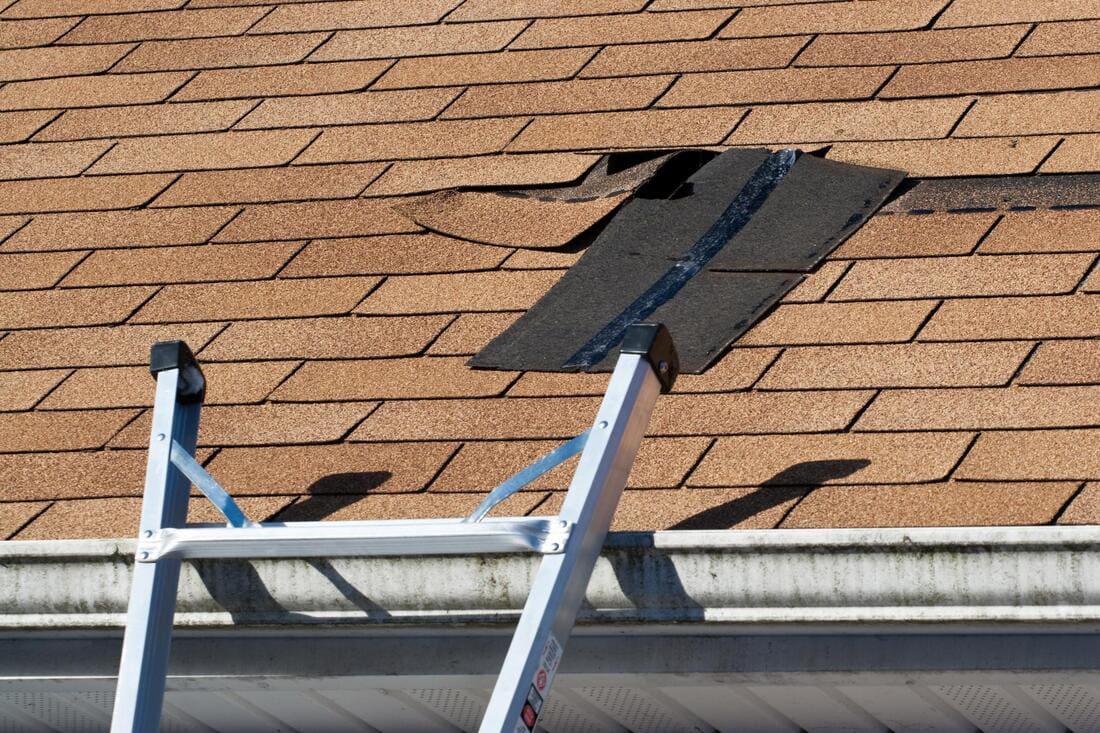
Storm inspections document lifted tabs, bruised shingles, damaged vents, gutter dents, siding marks, and interior water paths without promising claim results.
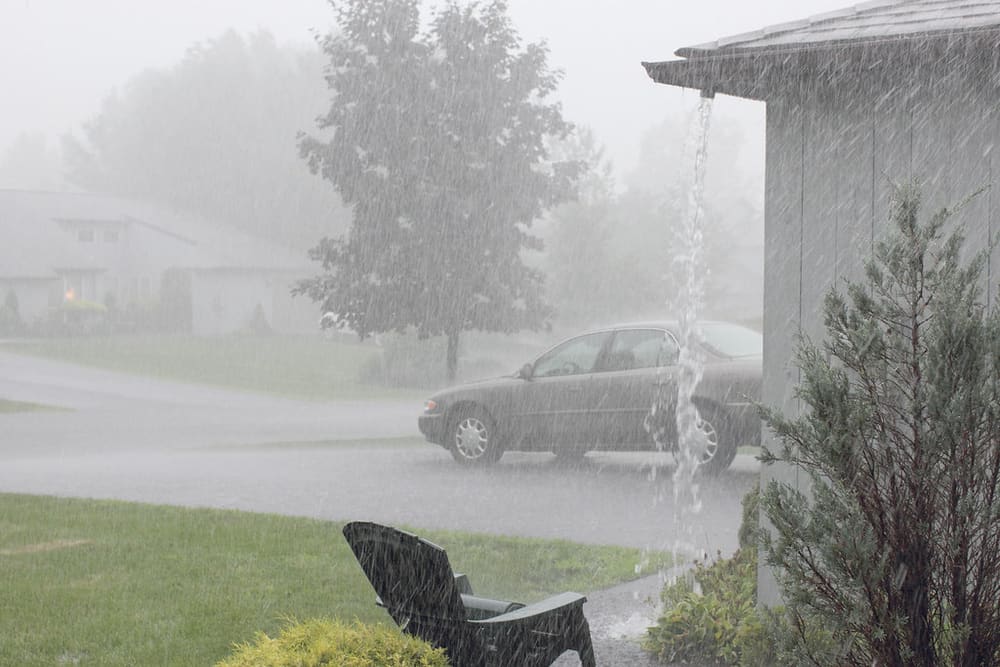
Wooded lots and steep roof runoff make gutter pitch, fascia condition, downspout routing, and ice-prone eaves part of the roof diagnosis.
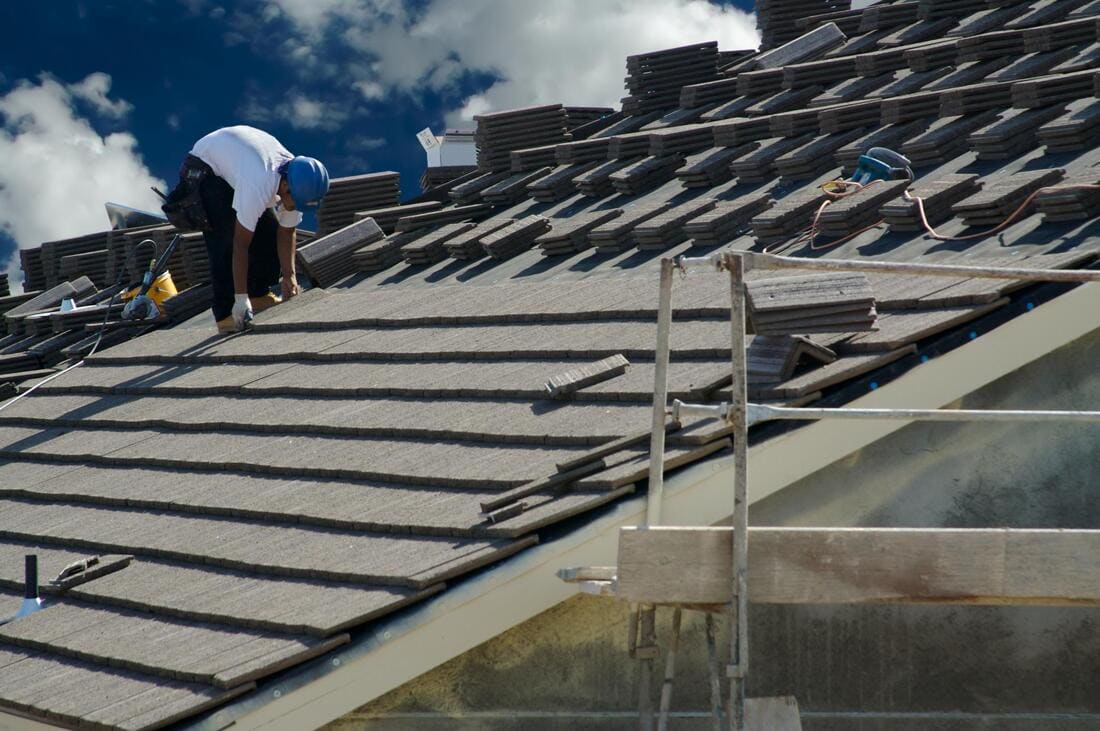
A leak that appears in March may have started in January. Warm attic air melts snow from below, cold eaves refreeze it, and water looks for the weakest detail around flashing, valleys, nail holes, or old roof edges. The inspection should look above the stain, inside the attic where access allows, and along the eaves where gutters and ice can change the water path.
Historic and older-city Kalamazoo homes often have additions, porch roofs, masonry chimneys, and roof-to-wall details that have been patched in stages. Smearing sealant over those areas may hide the problem for one rain. Rebuilding the flashing detail, replacing rotten decking, or correcting a low-slope transition is usually the cleaner repair.
Ice at a gutter does not prove that the gutter caused the leak. A blocked outlet can hold frozen water against the fascia, but uneven attic heat can also melt snow over the living space and refreeze it at the colder overhang. The same roof may have both problems. A useful scope names the damaged shingle, underlayment, decking, or flashing work first, then separates gutter corrections, balanced intake and exhaust, and any air-sealing or insulation advice. Simply removing visible ice can relieve the immediate load without correcting the path that will refill on the next thaw.
After spring wind or hail, the contractor can photograph roof slopes, vents, gutters, siding edges, and interior water clues. That helps you compare a repair scope, replacement scope, or insurance conversation. Coverage decisions belong to your insurer, and this site does not promise outcomes or offer to pay, rebate, credit, or absorb any deductible.
Share the address, roof symptom, recent weather, roof age if known, and whether water is moving now. Safe interior photos are useful. Roof photos are not worth a fall.
The contractor checks the suspected failure point and the surrounding roof system, then documents what is visible. For winter leaks, that can include ventilation and eaves. For storm calls, it can include shingles, vents, gutters, siding, and interior marks.
You should receive a clear scope that names the repair, materials, access assumptions, cleanup, and any permit handling if the project grows into replacement or structural work.
The crew completes the approved repair when weather allows. If the roof is too worn for a reliable patch, the replacement discussion should explain why, with photos and line-item details rather than pressure.
Kalamazoo roofing service
Southwest Michigan storms can mix hail, straight-line wind, limb impacts, and heavy rain in one afternoon. A good storm inspection separates cosmetic scuffs from lifted shingles, bruised mats, damaged soft metals, torn ridge caps, cracked siding, and interior water paths. Photos and an itemized scope help you make a practical repair decision without turning the conversation into an insurance promise.
Kalamazoo roofing service
Emergency work is for active water entry, open decking, tree damage, winter openings, and shingle blow-offs that cannot wait for a standard appointment. The first goal is a safe dry-in: tarp, temporary seal, or board-up where appropriate. Permanent repair follows once the roof is stable, the weather allows safe access, and the damaged section can be measured honestly.
Kalamazoo roofing service
Many Kalamazoo-area roofs installed in the 1990s are now at the point where one leak can reveal a broader age problem. Replacement should be discussed when shingles are brittle, granules are thin, decking is soft, or poor ventilation keeps feeding ice-dam trouble. The quote should explain tear-off, underlayment, ice and water shield, ventilation, flashing, cleanup, and permit handling.
Kalamazoo roofing service
A roof inspection is useful after hail, before listing a home, before winter, or when a shaded roof keeps growing algae and holding debris. The contractor checks shingles, penetrations, valleys, flashing, gutters, visible decking concerns, attic ventilation, and interior leak clues. The best inspections end with photos and a direct answer: monitor, maintain, repair, or price replacement.
Kalamazoo roofing service
Maintenance matters in Kalamazoo because small roof defects have a full weather cycle to grow. Spring work looks for winter movement, nail pops, damaged boots, loose ridge caps, and ice-dam scars. Fall work clears roof edges, checks gutters, and looks at ventilation before snow sits on the roof. It is not a cure for a worn-out roof, but it can protect a sound one.
Kalamazoo roofing service
Gutters carry a lot of roof risk on wooded Kalamazoo lots. Leaves, maple seeds, pine needles, and poor downspout routing can soak fascia, back water under shingles, and feed winter ice at the eaves. Repair may be as simple as pitch correction or re-hanging a sagging run. When seams, outlets, and metal fatigue stack up, seamless aluminum replacement is often cleaner.
Kalamazoo roofing service
Wind and hail do not stop at the roof edge. Siding repair can involve cracked vinyl, pulled corners, dented trim, moisture behind panels, or failed roof-to-wall transitions. The inspection should look at the wall system and the roof together so a leak at a step-flashing detail is not misread as only a siding problem.
Kalamazoo roofing service
The cost guide explains why two roof quotes can be far apart on the same Kalamazoo house. Pitch, roof height, valleys, tree cover, decking condition, winter access, storm urgency, and material matching all move the price. Use the guide to set expectations before the inspection, then rely on the written quote for the actual scope.
Roof pricing should help you plan without pretending the roof can be priced from the driveway. A small pipe boot repair is not the same job as opening a valley with wet sheathing, and a planned weekday repair is not priced like an emergency tarp during an active storm. These ranges are market-typical planning numbers for Kalamazoo-area work. The written quote confirms the actual scope, material, access, decking condition, and repair-versus-replacement recommendation.
| Tier | Typical range | What it covers |
|---|---|---|
| Minor repair | $250-$600 | A few shingles, a pipe boot, a small flashing repair, or a localized seal-up. |
| Moderate repair | $500-$1,250 | Leak tracing, an ice-dam repair, valley work, or a decking patch. |
| Major repair | $1,250-$3,500 | Larger shingle sections, sheathing replacement, storm damage, or several failure points. |
| Emergency tarp / dry-in | $250-$650 | Temporary dry-in after wind, snow load, tree damage, or active water entry. |
| Full asphalt replacement | $9,500-$21,000 | Many Kalamazoo architectural asphalt replacements; roughly $400-$650 per square installed. |
Ventilation corrections, ice-dam prevention, detailed written reports, and replacement work are quoted by site conditions. Published ranges are not a rate card.
For residential roofing work with an aggregate price of $600 or more, Michigan requires the contractor to hold either a Residential Builder license or a Maintenance & Alteration Contractor license with the roofing classification. Ask for the number, verify it through Michigan LARA, and make sure the licensed name matches the written agreement before you authorize the scope.
A firm quote should also state how concealed decking will be handled if the repair area must be opened. That keeps a reasonable unknown from turning into an unexplained change after work begins.
Most small Kalamazoo roof repairs fall around $250-$600, while leak tracing, ice-dam repairs, valley work, and decking patches often land around $500-$1,250. Larger storm sections can run $1,250-$3,500. The final number depends on roof pitch, access, material, wet sheathing, and whether the contractor can repair one failure point or needs to open a wider section.
Snow can sit above the heated part of the house, melt slowly, and refreeze at colder eaves. That freeze-thaw cycle can push water under shingles or into older flashing. In Kalamazoo, spring calls often trace back to winter movement around valleys, pipe boots, attic bypasses, or gutters that held ice instead of draining cleanly.
Replacement starts to make sense when a roof has repeated leaks in separate areas, brittle shingles, heavy granule loss, soft decking, poor ventilation, or widespread storm damage. A focused repair is still the right answer for many vent boots, small shingle fields, and flashing failures. The inspection should show both options when both are realistic.
Yes. The connected contractor can photograph shingles, vents, gutters, siding edges, interior stains, and damaged roof sections, then write an itemized repair or replacement scope. Insurance coverage decisions belong to the carrier, and this site does not offer to pay, rebate, credit, or absorb any homeowner insurance deductible.
Permit handling depends on the exact scope and the local jurisdiction. A limited repair is handled differently than a replacement or structural decking job. The assigned contractor verifies Kalamazoo, Portage, township, or village requirements before replacement or structural work is put under contract.
Keep people off the roof, move belongings away from the leak path, place a container under the drip, and take photos of ceiling stains or attic water if you can do that safely. Call (269) 533-7763 so the contractor can decide whether the situation needs an emergency tarp, a dry-in, or a normal inspection slot.
Call Us Today
Kalamazoo Roof Pros
(269) 533-7763Get photos, a repair-first diagnosis, and a written scope from a licensed Michigan roofing contractor serving Kalamazoo and nearby southwest Michigan communities.
“Ceiling stain that had been back twice. They traced it to a flashing seam, not the shingles, and only charged for the seam. The leak has stayed gone.”
“Found the exact boot that was letting water in and replaced it in one visit. Took a little longer than the estimate, but the quote did not move a dollar.”
“Walked the whole roof, showed me photos, and told me I had a few years left instead of pushing a replacement. That is how you earn the next job.”